
The main cleaning coin’s aim is not to make the coin shiny, but to take away dirt that stops us from seeing the coin’s real state.
Using strong chemicals or rough things can damage the coin forever, greatly lowering its price — you can easily check it with a coin value app.
Eco-friendly cleaning ways use things from nature, being soft, not breaking the metal, and letting the patina stay, this being the natural skin made over the years in the ground.
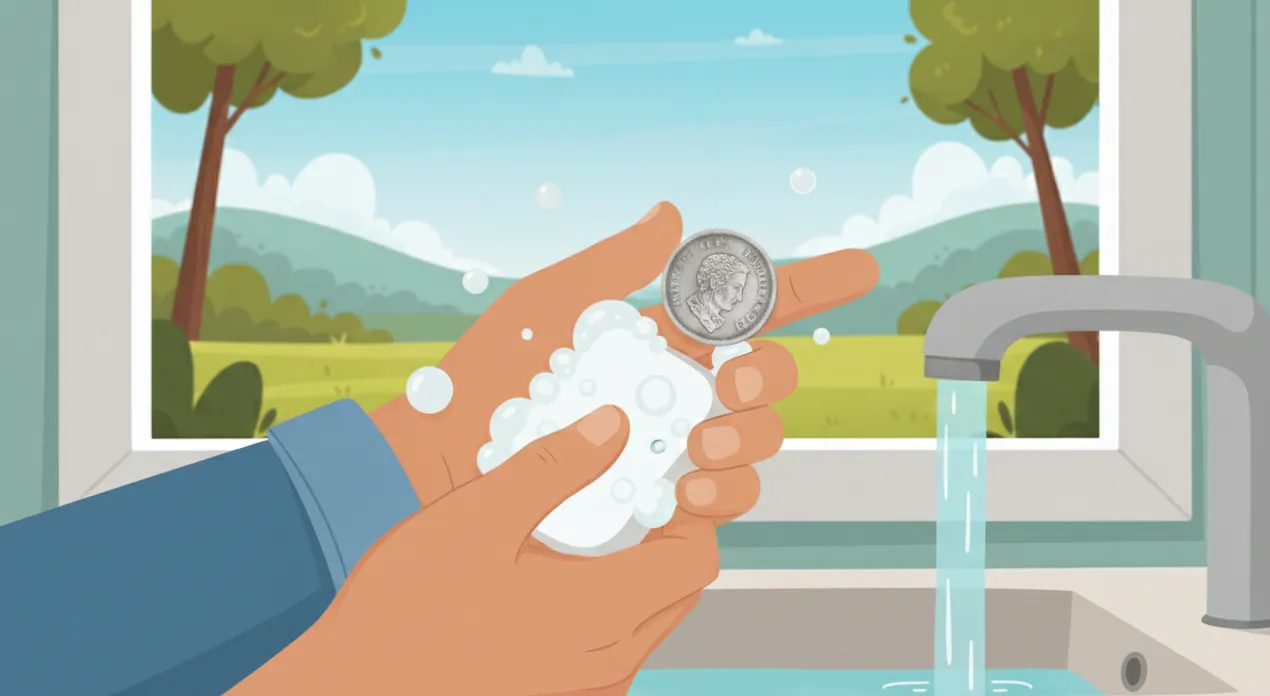
Main Rules for Safe Cleaning
Before starting to clean, learning some rules that help avoid mistakes is needed.
- Knowing the coin’s metal before starting any work. Copper, silver, and gold need very different ways of working.
- Testing the cleaning method on a small, hidden part or on the dirtiest coin doesn’t tell much.
- Always starting with the softest and weakest way, slowly moving to stronger ones if the coin still needs it.
- Using only water having no salts for all mixes. Normal pipe water has salts that can leave marks on the coin.
- Stopping the cleaning right after getting the needed result. There is no reason to clean a coin for longer than it needs.
Tools for Soft Work
A soft toothbrush, used only for the hardest dirt, never touches the flat part of the coin.
Small wooden sticks or toothpicks for taking away dirt from the raised parts.
Soft pads and cotton balls for putting on and taking off the cleaning mixes.
A coin identification app to look closely at the coin, letting you check the cleaning process and stop work at the right time.
Clean Copper and Bronze Coins
Copper and bronze coins need the most gentle care, being very soft and easily rusting.
Water and Soap
Water having no salts and soap is the safest way for copper, working well for coins having soft dirt and light stains.
The coin is put into a cup with water having no salts for one or two days, letting the dry dirt become soft.
The dirt is taken away with a soft brush or a small wooden stick.
- The coin is put into a strong mix of baby soap with no smell. Leaving the coin in the mix for many days or even weeks is needed, and changing the mix if it gets too dirty.
- After the soap mix, the coin is cleaned again with water having no salts.
Olive Oil
Olive oil is a well-known, slow, but good way for cleaning coins having hard dirt and thick rust. The oil slowly goes into the rust, making it soft.
- The coin is put fully into clean olive oil. The oil must be natural and not processed.
- The coin stays in the oil from one week to several months. Older and dirtier coins need more time.
- Once a week, the coin is taken out, cleaned gently with a small wooden stick, taking away the soft dirt, and then put back into the oil.
- After cleaning, the coin is cleaned with soap and water to take away the oil, then wiped with alcohol to take away all the fat.
Weak Vinegar Mix
Making a weak vinegar mix is the first step. Using white table vinegar mixed with water having no salts, one part vinegar to ten parts water (1:10), is the right way.
The coin is put into the mix for only a few seconds.
The coin is taken out right away and cleaned under a strong flow of water having no salts.
If needed, the work is done again, but checking the coin every five seconds to stop any damage to the patina.
Silver Coins
Silver coins can have black stuff or green rust on them.
Baking Soda and Foil
This way uses the idea of electric cleaning, being soft but good for black marks.
- A piece of metal foil is put on the bottom of a glass or clay dish
- The coin is put onto the foil
- A few spoons of baking soda are put on top
- Hot water is poured over the mix, starting a chemical process where the metal gives away small parts and takes the black stuff from the coin’s top
- The coin stays in the mix for only 1-5 minutes
- After cleaning, the coin is washed right away with water having no salts
Ammonia Water
Ammonia water is a strong, but fast and safe, way to take away black marks.
- Making an ammonia mix is the start. Ammonia is mixed with water having no salts, one part ammonia to five parts water (1:5)
- The coin is put into the mix for 1-2 minutes. The coin should get clean almost at once
- The coin is taken out right away, stopping any harm to the metal itself
- The coin is washed with flowing water, and then with water having no salts. Taking away all the ammonia smell that could hurt the coin is a must
Lemon Acid
Lemon acid is used to take away hard green rust and dirt left on the coin.
- Making a mix. Using lemon acid mixed with water, one part acid to ten parts water (1:10), is the right ratio
- The coin is put into the mix for 10–20 minutes
- The coin is checked often during this time
- After cleaning, the coin is washed right away with water having no salts and put into a soda mix to stop the acid from working
Gold and Nickel Coins
Gold and nickel coins are the easiest to clean. Gold does not rust, and nickel has a strong top layer that keeps it safe.
Cleaning Gold Coins
Gold coins are cleaned only with water having no salts and soft soap.
The coin is put into the soap mix for several hours.
Dirt is taken away with a soft brush. Gold is soft, so rubbing it with a rough brush must not be done.
Cleaning Nickel Coins
Nickel coins do well when put into water having no salts and soap.
If the coin is very dirty, alcohol or acetone can be used to take away sticky stuff or paint.
A weak vinegar mix can be used for nickel, but only for a short time.
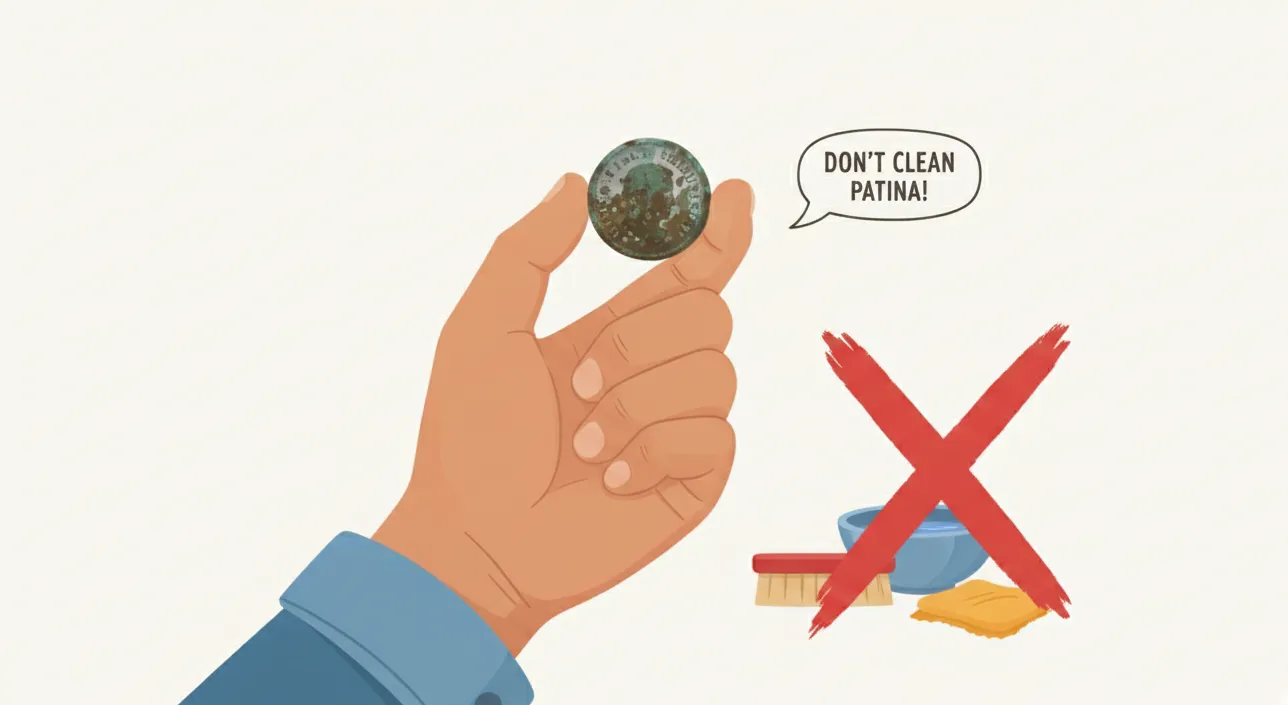
The Patina Question
Patina is not dirt, but a thin layer of rust that keeps the coin safe. Taking away patina is a big mistake.
Keeping the Patina
Never clean the coin until it shines like new. The patina must stay on the coin.
Choosing methods that soften dirt, rather than dissolving it. Using oil or leaving the coin in soap for a long time are good examples.
Making the Coin Safe
After cleaning, especially if using acids or ammonia, the coin must be made neutral to stop the chemical reaction. This is done using a weak soda mix.
For extra protection, the coin can be dipped in a melted wax or paraffin mix. A thin coat keeps the coin from rusting more. After all of that, it’s better to check it again with the coin value checker app.
| Coin Metal | Cleaning Method | Strength of Effect | Time Needed | Risk of Patina Damage |
| Copper, Bronze | Water with no salts and soap | Weakest | Weeks | Very low |
| Copper, Bronze | Olive oil | Weak | Months | Low |
| Copper, Bronze | Vinegar (1:10) | Medium | Seconds | High |
| Silver | Soda + Foil (Hot water) | Medium | 1–5 minutes | Low |
| Silver | Ammonia water (1:5) | Strong | 1–2 minutes | Medium |
| Gold | Soap mix | Weakest | Hours | Zero |
| Nickel | Alcohol / Soap | Weak | Minutes | Low |
Conclusion
The main rule is not to harm. Always starting with soft, long-lasting ways, like water having no salts, soap, and olive oil, which soften the dirt and keep the natural patina, is the best start.
Using stronger things, like vinegar or ammonia, needs checking all the time.
Thinking about the patina as the coin’s guard and sign of being real, you keep its history and price for collectors.
Being careful, using the right tools, and knowing how to stop helps make cleaning professional, not just destroying history.